Practical support and training for preschools, primary schools and high schools
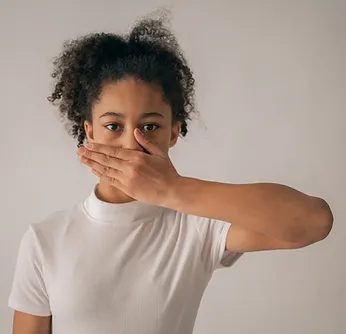
Children with Selective Mutism usually find it hardest to speak at school. Treatment in the clinic alone generally won’t change that. Progress at school depends on teachers and educators using the right strategies every day.
For 20 years, the Selective Mutism Clinic has helped education teams build students’ confidence to communicate. We offer school meetings for students in our program, one-on-one video support meetings for any school, and webinars for whole teams. Everything is available online, so schools anywhere in Australia can access our support.
If a child is in our program, their therapist holds school meetings by video with the school or preschool twice each school term. The first meeting is one hour and later meetings are 45 minutes. After each meeting, the school receives a detailed written summary of strategies and progress.
The meetings cover:
how the child is currently communicating and coping at school
do’s and don’ts for all staff who have contact with the child
helping the child get their needs met when they can’t yet speak
step-by-step strategies, such as Sliding In, to build the child’s communication with their teacher, then peers, small groups, other staff and specialist classes, and finally whole-class situations
The classroom teacher (or a key worker in high school) needs to attend, because the main strategies are used during everyday teaching. Many children progress to speaking in front of the school assembly.
Not every student with Selective Mutism is linked in with a therapist. A family may not be ready to seek treatment, or the school may not know how to raise it. Sometimes a student is seeing a therapist, but the school hasn’t been given the specific strategies it needs in the classroom.
In these situations, school and preschool staff can book their own one-on-one video support meetings through our professional supervision service. The student does not need to be a client of the clinic. Meetings are with Dr Elizabeth Woodcock (Director and Clinical Psychologist) or Diana Russo (Speech Pathologist), and can be one-off or ongoing. All meetings are held by video, so schools anywhere in Australia can take part.
A meeting can help you:
understand what may be keeping the student from speaking
agree on do’s and don’ts for all staff
start building the student’s communication with practical classroom strategies
plan how to talk with the family about getting help
fill gaps when the student’s current therapist hasn’t provided school strategies
work out next steps when progress has stalled
Who it’s for: classroom teachers, preschool educators and directors, school counsellors and psychologists, learning support teachers and learning support assistants.
Cost: $295 (+GST) per meeting with Dr Elizabeth Woodcock; $290 (+GST) per meeting with Diana Russo.
Start with a webinar. Our webinars are the quickest way for the whole team to learn the core strategies, and we recommend staff watch Selective Mutism Strategies for Schools and Preschools (or the high school version) before their first meeting. That way, meeting time goes on your student rather than the basics. See section 03 for all webinars.
Not sure how to start the conversation? A one-on-one video support meeting can help you plan it.
03
TRAINING FOR YOUR WHOLE TEAM
Dr Elizabeth Woodcock’s webinars give education teams practical strategies they can use straight away, without needing a meeting about a particular student. Formats vary by webinar; see each page for on-demand options and upcoming live dates.
Selective Mutism Strategies for High Schools — 3 hours. For high school teachers, counsellors and learning support teams, including the key worker role and communication across classes.
Thank you for subscribing! Please confirm your subscription in your Inbox. Remember to check your junk mail in case it’s landed there - we don’t want you to miss out on your tip sheet!
Thanks for subscribing! Please check your inbox (or junk mail) to confirm and access your tip sheet.